
Concrete Contractor Serving Weed, CA
Weed sits at 3,425 feet in Siskiyou County, with January lows averaging 24°F — the coldest of anywhere S & L Concrete serves. Freeze-thaw is the governing condition here, and it decides how the concrete gets specified.
Weed has the coldest average January low of any town in the service area — 24°F. At 3,425 feet, freeze-thaw isn't a seasonal inconvenience here, it's the condition the concrete has to be designed around.
- County
- Siskiyou County
- Elevation
- 3,425 ft
- Climate
- Freeze-thaw
What Weed Asks of Concrete
Every winter, water in the surface of a slab freezes, expands, thaws and does it again. That cycle is what breaks mountain concrete, and it works from the outside in — the surface goes first, scaling and flaking, long before the slab loses structural strength.
Air-entrained concrete is the answer, and it has to be specified when the concrete is ordered. The entrained air gives freezing water somewhere to go. It's the difference between a slab that shrugs off twenty winters and one that starts shedding its surface after three.
Drainage does the other half of the work. Water that pools on a slab, or sits in saturated ground beneath it, is what feeds the cycle — so grade, slope and where meltwater actually runs get settled before anything is poured.
Details That Change the Job
Coldest in the service area
January lows here average 24°F, colder than Mount Shasta's. Annual precipitation runs about 23.6 inches. Cold enough that the freeze-thaw specification isn't a precaution, it's the baseline.
Sand, not salt, on new work
Deicing chemicals attack concrete surfaces, and a slab in its first winter is the most vulnerable it will ever be. Sand for traction costs less and doesn't shorten the life of the pour.
The far end of the map
Weed is the northern limit of the service area. Jobs up here get scheduled deliberately — worth a straight conversation about timing before anything is planned around it.
Services Available in Weed, CA
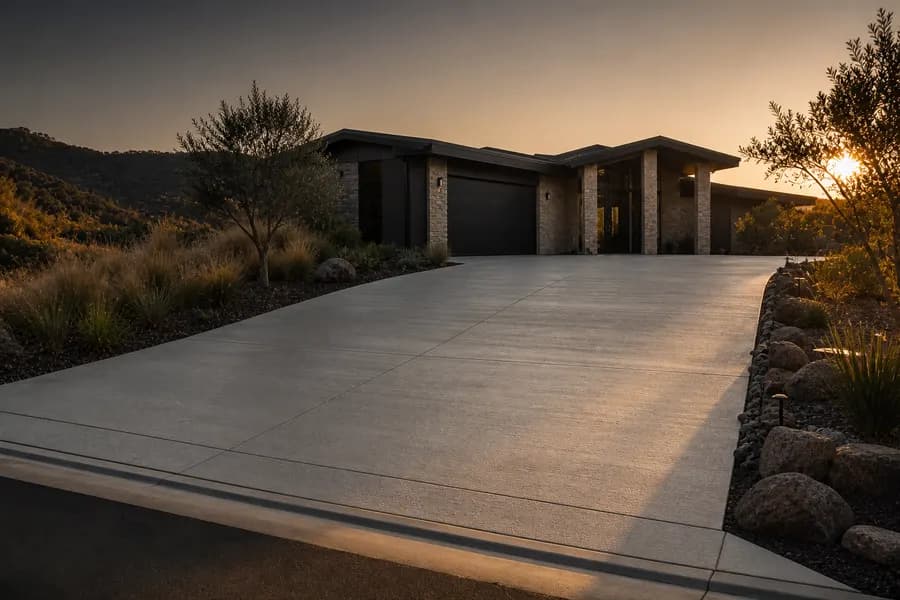
Concrete Driveways
A driveway that handles daily use and still looks right in twenty years.
Learn more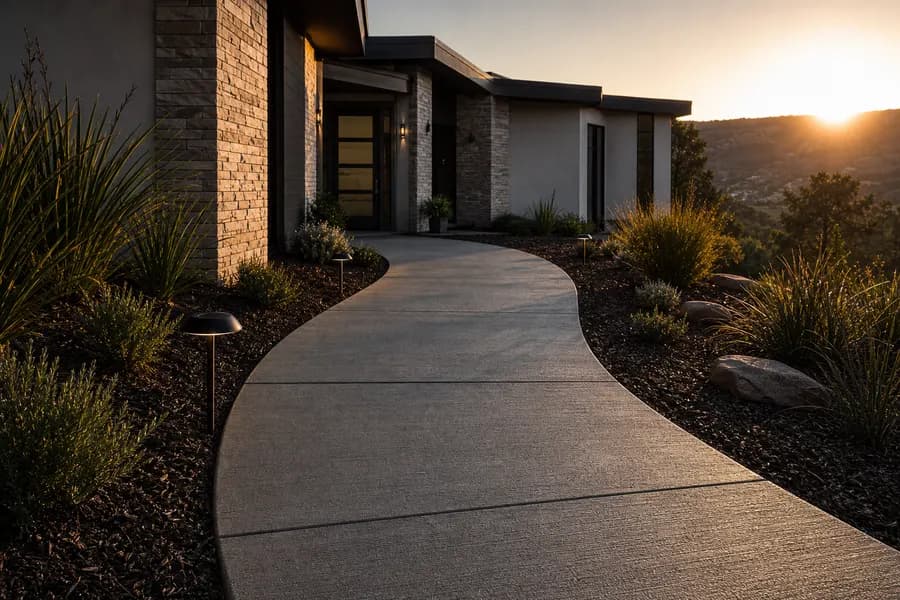
Walkways & Sidewalks
Clean, level paths that tie a property together.
Learn more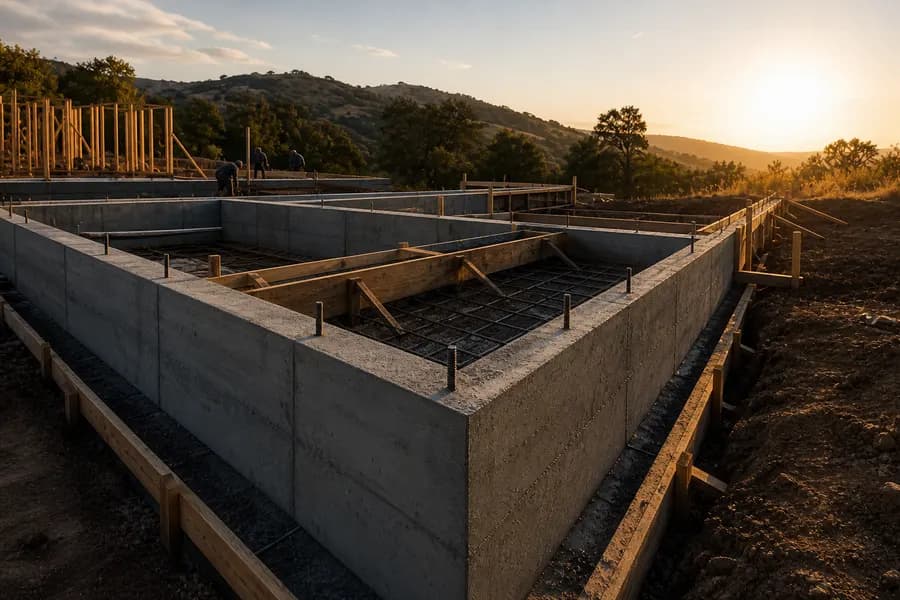
Foundations
The part of the job nobody sees — and the part that matters most.
Learn more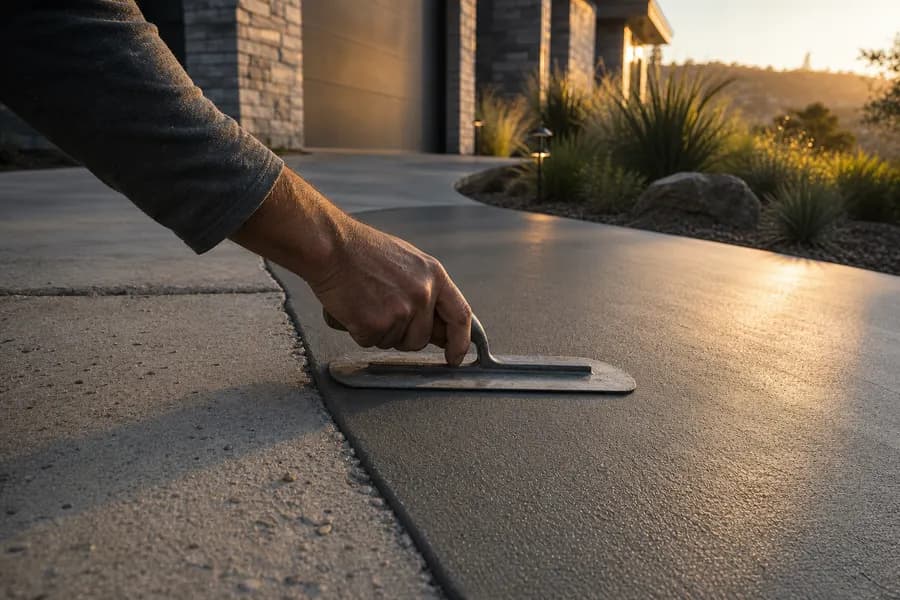
Concrete Repair & Replacement
Fixing what's cracked, sunken, or past its life — done right this time.
Learn more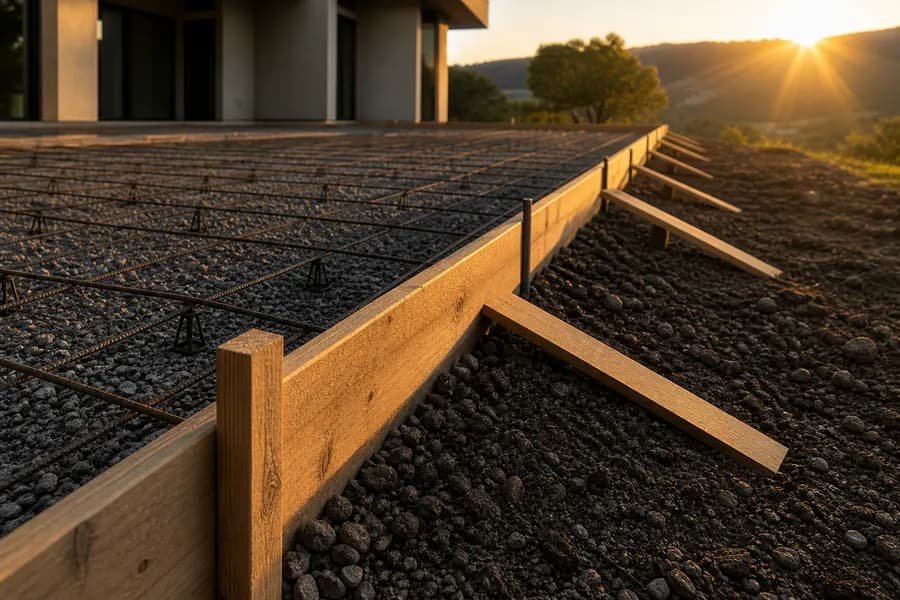
Retaining Walls
Holding back a slope, built to actually hold.
Learn more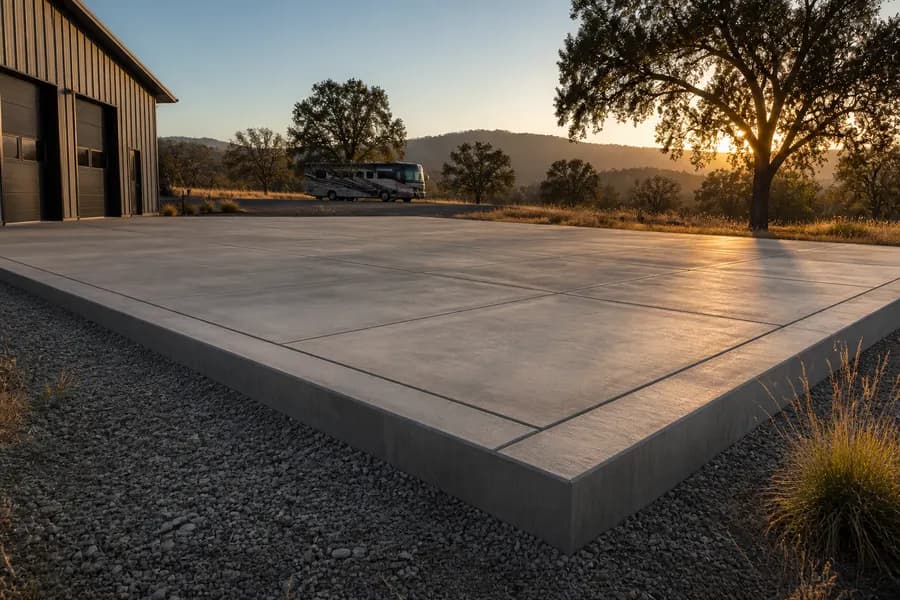
RV Pads
A stable, level pad built for the weight of an RV.
Learn moreConcrete in Weed — FAQs
What makes concrete last through Siskiyou County winters?
Air entrainment, adequate strength before the first freeze, and drainage that keeps water from pooling on or under the slab. Those three decide far more than the finish does. All of them are settled before or during the pour, not afterward.
Can concrete be poured in winter here?
It's harder and the window is narrower. Fresh concrete that freezes before it has gained strength can be permanently damaged, so cold-weather work means watching the forecast and protecting the pour. Scheduling earlier in the season is usually the better answer.
Do you actually travel to Weed?
Yes, though it's the far northern edge of the service area and gets planned rather than squeezed in. Call and describe the job and you'll get a straight answer about timing.